
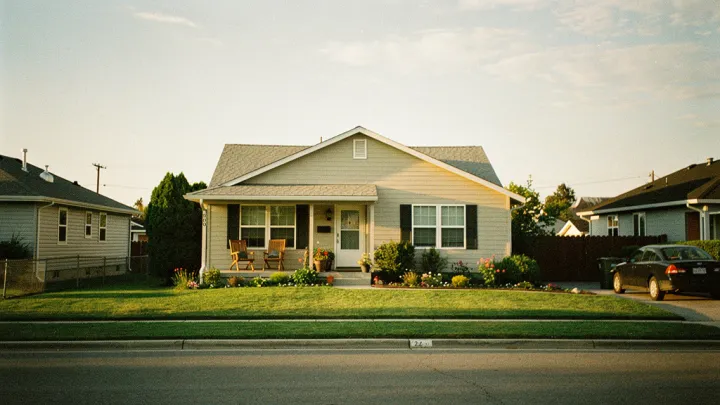
Buying a home, clearly explained.
Whether you're buying your first home or your next one, the right purchase loan can make the difference between guessing and going in prepared. We walk you through Conventional, FHA, VA, and Jumbo options — what they are, who they may suit, and what depends on your credit and eligibility.
What is a purchase loan?
A purchase loan is a mortgage used to buy a home. The home itself secures the loan, and you repay it in monthly payments over a set term. The idea is simple — but the options can get complicated fast.
- ✓Monthly payments typically include principal and interest, plus property taxes, insurance, and mortgage insurance where applicable
- ✓Terms typically range from 15 to 30 years, depending on the program
- ✓Your rate and terms depend on the program, your credit profile, your down payment, and current market conditions
- ✓We explain each option in plain English — no jargon, no pressure
- ✓Secured by the home you're buying
- ✓Repaid in monthly payments over a set term
- ✓Down payment varies by program and eligibility
- ✓Credit requirements vary by loan type
- ✓Preapproval helps you shop with clarity
Four common paths — and which one may fit
Each option below is a general description, not a promise. Which one fits best depends on your credit, down payment, and eligibility — we'll help you compare before you choose.
Conventional
A traditional mortgage not backed by a government agency. May suit buyers with solid credit and a conventional down payment; terms typically range from 15 to 30 years.
FHA
Insured by the Federal Housing Administration. May allow a lower down payment and more flexible credit standards; mortgage insurance typically applies.
VA
Available to eligible veterans, service members, and qualifying spouses. May offer favorable terms for those who qualify — eligibility requirements apply.
Jumbo
For loan amounts above conforming limits. Typically calls for stronger credit and larger reserves; underwriting depends on the lender and the file.
Your best option depends on your credit, down payment, and eligibility — not a one-size-fits-all answer. A scenario review is a conversation about your numbers, not a commitment.
Three steps to a clearer picture
Getting from "thinking about buying" to "ready to make an offer" doesn't have to be a maze.
Get preapproved
A preapproval reviews your finances and gives you a clearer sense of what you may qualify for before you start shopping.
Review your options
Compare Conventional, FHA, VA, and Jumbo on the things that matter to you — payments, down payment, and timeline.
Compare and choose
Your loan officer walks through the trade-offs so the choice fits your situation. No jargon, no pressure.
Programs vary by state and eligibility.
Down-payment assistance and first-time buyer programs vary widely by state, county, and eligibility. What's available to one buyer may not apply to another — so we start with your situation, not a generic answer.
- ✓Down-payment assistance may be available in some states and areas
- ✓First-time buyer programs may have income or purchase-price limits
- ✓Availability depends on where you buy and when you apply
- ✓We'll help you see what may apply in your situation
Purchase loans, answered
What is a purchase loan?
A purchase loan is a mortgage used to buy a home. The home secures the loan, and you repay it in monthly payments over a set term. It's different from a refinance, which replaces an existing mortgage.
What's the difference between prequalification and preapproval?
Prequalification is a quick, informal estimate based on what you tell us. Preapproval typically involves a more complete review of your finances and may give you a firmer sense of what you qualify for — which can help when you make an offer.
How much do I need for a down payment?
It varies by program. Conventional loans often expect a larger down payment, while some programs — like FHA — may allow a lower one. Your exact amount depends on the program, your credit, and eligibility.
What credit score do I need?
Requirements vary by loan type. Conventional loans typically ask for stronger credit, while some government-backed programs may be more flexible. Your loan officer can give you a realistic picture based on your credit profile.
What is mortgage insurance, and when does it apply?
Mortgage insurance protects the lender and may be required when your down payment is below a certain level — typically 20% on a conventional loan. FHA loans carry their own mortgage insurance. Whether it applies depends on the program and your down payment.
Ready to see your purchase options?
Tell us where you are in the process — first-time buyer or moving up — and we'll walk through what may fit. A real conversation, no obligation.